Research · Master's thesis
Deaf Accessibility Research
How expressive closed captions change the way deaf and hard-of-hearing players experience horror games.
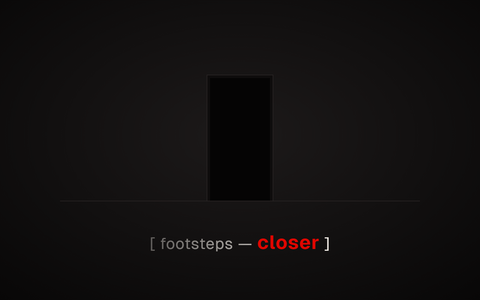
Research on accessibility in games has mostly asked whether disabled players can finish a game. My thesis asks a different question: whether they get the experience the designers meant them to have. Tension, surprise, dread.
The question
How do creative, expressive closed captions affect the experience of deaf and hard-of-hearing players in a horror game? And how does that experience compare with standard captions, and with hearing players who play with sound?
Horror is a deliberate choice. It leans heavily on sound (footsteps behind you, a door somewhere upstairs, the silence before a jump scare), which makes it a demanding test for captions.
The approach
I am building a horror game prototype in Unity in three versions:
- With sound, no captions. The baseline experience for hearing players.
- Standard captions. Subtitles for the deaf and hard of hearing as most games ship them today.
- Creative captions. Captions that use style, motion and placement to carry tone and emotion, based on recent research on affective captioning.
Players then take part in interviews after each session, and the results are compared across versions.
Get in touch
If you work with deaf or hard-of-hearing communities, research game accessibility, or would like to take part in the study, I would be glad to hear from you.